

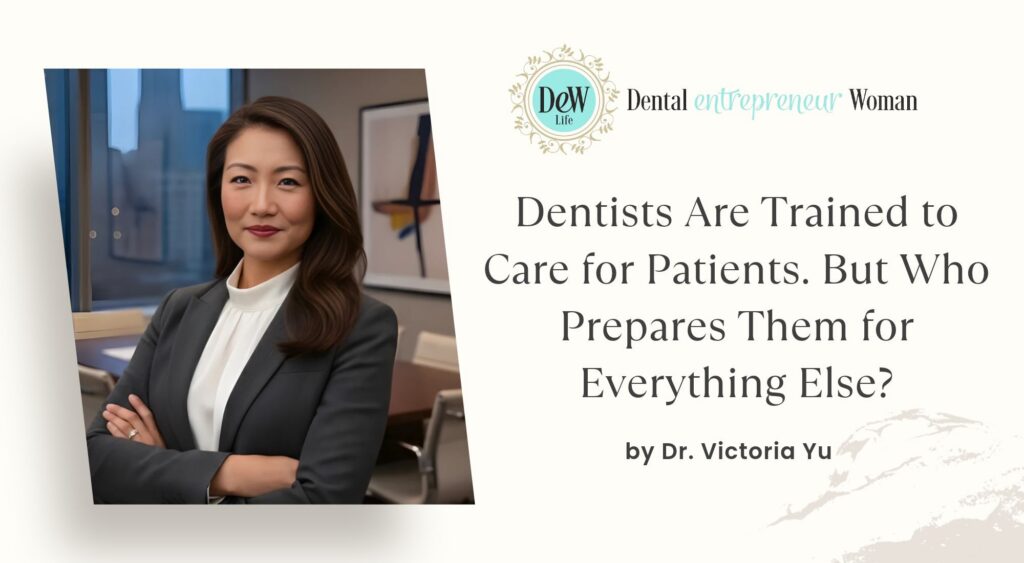
Dentists Are Trained to Care for Patients. But Who Prepares Them for Everything Else?
Dental school prepares dentists to care for patients, but it doesn’t always prepare them for everything that comes with building a successful career. I learned much of what I know about running a practice, leading teams, and navigating the business of dentistry through experience.
Those lessons have shaped my perspective on what it takes to succeed in this profession and reinforced my belief that business knowledge is just as important to a fulfilling, sustainable career as clinical expertise.
I’ve been fortunate to experience dentistry from several perspectives. I owned practices before moving into executive leadership, where I helped grow a dental support organization from approximately 15 practices to more than 600 alongside an incredible leadership team. I later oversaw dental operations for Walmart, and today I serve as CEO and Chief Dental OƯicer of Elite Dental Partners. These experiences have given me a unique perspective on what it takes to operate an independent practice and support hundreds of them. Regardless of an organization’s size, I’ve learned that success comes from investing in our people, building strong operational systems, and making thoughtful financial decisions that ultimately support better patient care.
Seeing the profession from these diƯerent perspectives has also given me an appreciation for the choices dentists face when building their careers. Practice ownership can be incredibly rewarding, particularly when you watch your team develop and patients return year after year. However, ownership also comes with responsibilities that extend far beyond the operatory. Staffing, human resources, billing, compliance, and financial management all require significant time and attention. Associate positions can relieve many of those pressures, but earning potential often remains tied to personal production. A dentist can contribute to a thriving practice and still have limited opportunities to participate financially in its long-term success. In many arrangements, taking time away from the chair also means losing income.
I think about this when I consider the next generation of dentists. Many enter the profession with hundreds of thousands of dollars in student debt and face enormous financial decisions before they’ve learned much about the business side of dentistry. They want to buy homes, raise families, save for retirement, and enjoy the careers they’ve worked so hard to pursue. Those aren’t unreasonable expectations. Traditionally, we’ve oƯered two paths: assume the financial and operational responsibilities of ownership or pursue employment with fewer administrative demands but less opportunity to share in a practice’s long-term success. Both models have their place, but I don’t believe they should be the only options.
That’s part of the thinking behind what we’re building at Elite Dental Partners. Through EliteVantage, doctors have an opportunity to earn up to 51% of their practice’s profits without an upfront buy-in, while drawing on the operational resources of a larger organization. To me, the important part isn’t simply the financial opportunity. It’s a diƯerent way of thinking about the relationship between a clinician and the business. A dentist who develops a strong team, builds patient relationships, and helps a practice grow should have an opportunity to share in that success without taking on every administrative burden. With the right support and a meaningful opportunity to benefit from their work, clinicians can spend more time doing what they do best: caring for patients.
During my recent conversation with Anne DuƯy on the Just DeW It podcast, we talked about something that deserves more attention, particularly among women in dentistry: the value of time. As a mother, a partner, and a business leader, I’ve spent plenty of time navigating competing responsibilities. I’ve found the expectation of perfect work-life balance frustrating, and I’ve learned that working harder isn’t always the answer. Building systems, developing capable people, and relying on others’ expertise can make a greater difference. I joked with Anne that nobody should see my laundry room, and I stand by that. I certainly haven’t figured everything out, but I’ve come to appreciate that deciding how and where I spend my time is a form of wealth in itself. The same is true in dentistry. When we relieve clinicians of responsibilities that don’t require their clinical expertise, we’re giving them something valuable: time back.
I’m especially encouraged by what this could mean for women in our profession. We’re no longer simply trying to establish our place in dentistry’s leadership structure; we’re beginning to influence how that structure is designed. More women are pursuing entrepreneurship, executive leadership, and business development, and I believe their perspectives will help shape our industry. Technology and more eƯicient operations will create new possibilities, as will organizations that prioritize culture, clinician support, and long-term retention. These improvements require leaders who understand both the financial and human sides of a successful business. Financial performance matters, but it should reflect how well we’re serving our people and patients, not replace that purpose.
If there’s one thing I hope more dentists take away from conversations like these, it’s that being business-minded doesn’t make you any less of a clinician. Understanding financial performance, asking questions about compensation, developing leadership skills, and seeking the right support are part of building a sustainable career. We should encourage those conversations, especially with young dentists deciding what they want their professional lives to look like. I don’t expect every dentist to become an entrepreneur or executive. I do hope each one feels equipped to make informed decisions and recognize opportunities beyond the traditional paths.
After all the roles I’ve held, what continues to inspire me about dentistry is the opportunity to make the profession better for those coming after us. Dental school gave me the foundation to care for patients, but so much of what shaped my career came from lessons learned beyond the classroom. We have an opportunity to make that journey easier for the next generation by sharing our experiences, encouraging business education, and creating more paths to financial security and professional fulfillment. I want future dentists to enter this profession knowing that their opportunities extend well beyond the operatory, with the knowledge and support to pursue them. Our responsibility doesn’t end with preparing dentists to care for patients. We should also be preparing them to build careers, businesses, and lives they can be proud of.
About the Author
Dr. Victoria Yu, DDS, is the CEO and Chief Dental OƯicer of Elite Dental Partners, a dental support organization serving 74 practices across 10 states. A graduate of the University of Maryland School of Dentistry and former practice owner, she previously led dental operations for Walmart and served as Chief Clinical OƯicer of a dental support organization that grew from approximately 15 to more than 600 practices. As Elite Dental Partners’ first female CEO, Dr. Yu is passionate about supporting clinicians, expanding opportunities for professional and financial growth, and building a stronger future for dentistry.